Ronald McDonald: How a Guy in a Red Wig Became One of the Most Famous Characters on Earth
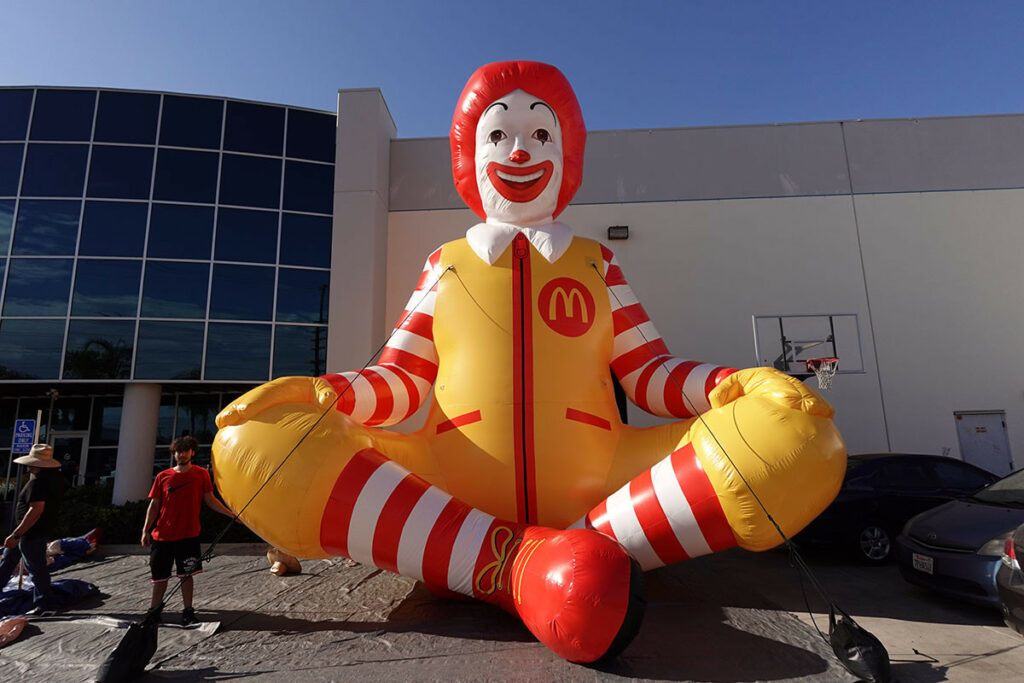
Most people can picture him without even trying. Red hair, white face, yellow suit. He’s been around since 1963 and at this point he’s less of a mascot and more of a shared cultural memory, something millions of people across completely different countries and generations all have some version of stored in their heads.
That’s a strange thing when you think about it. We’re talking about a clown invented to sell hamburgers.
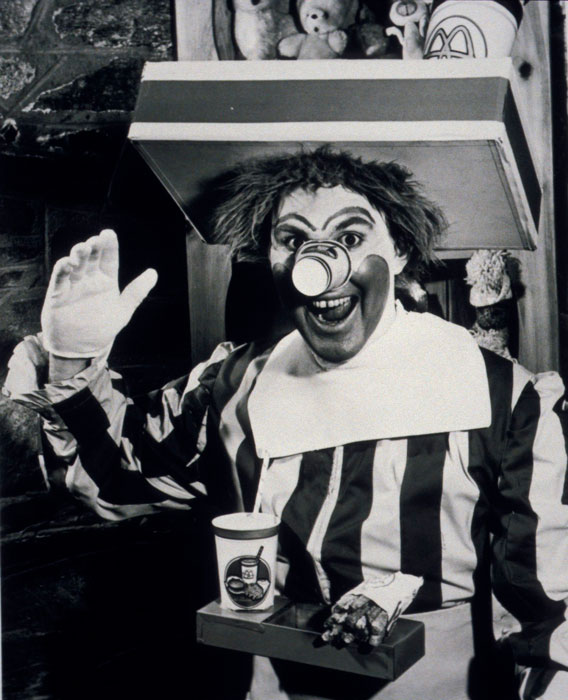
The guy who started it all wore a cup on his nose
The character was created because McDonald’s needed families to choose them over the competition. Fast food was booming in early 1960s America and standing out mattered. A mascot aimed at kids made sense: get children excited and parents follow.
Willard Scott got the job
He was a Washington D.C. TV personality, already known for doing clown bits on local children’s programming, which made him a natural fit. His original Ronald was genuinely weird by any standard, he had a drinking cup where his nose should be, a food tray sitting on his head like a hat, and a magic belt that supposedly conjured hamburgers out of nowhere. Strange, yes. Kids didn’t care. They loved it.
McDonald’s eventually cleaned the whole thing up. The cup-nose went. The tray-hat went. What replaced them was the version most people recognize: red wig, white face paint, bright yellow jumpsuit, shoes that look like they belong on a cartoon character. From that point on, the company trained actors to play the role consistently so that no matter which country you were in, Ronald felt like the same Ronald.
McDonaldland
McDonaldland, which was genuinely bizarre and somehow worked
To give Ronald somewhere to live, McDonald’s invented McDonaldland, a fictional universe that ran through TV commercials for years. The characters they put in it were odd even by kids’ TV standards.
Hamburglar was a small thieving figure who couldn’t stop stealing burgers and was dressed like a tiny bandit. Grimace was a large purple blob whose exact species was never established but who came across as warm and well-meaning.
Mayor McCheese ran the whole place and had an actual cheeseburger for a head, which nobody questioned.
Birdie the Early Bird showed up later, specifically built to promote breakfast, and didn’t quite fit with the others but was there anyway.
Ronald held the whole thing together… the hero, the one who sorted things out when Hamburglar inevitably struck again. What McDonald’s had quietly built was something most fast food chains didn’t have: a reason for children to actually care about the characters, not just the food. It was silly, but it worked.
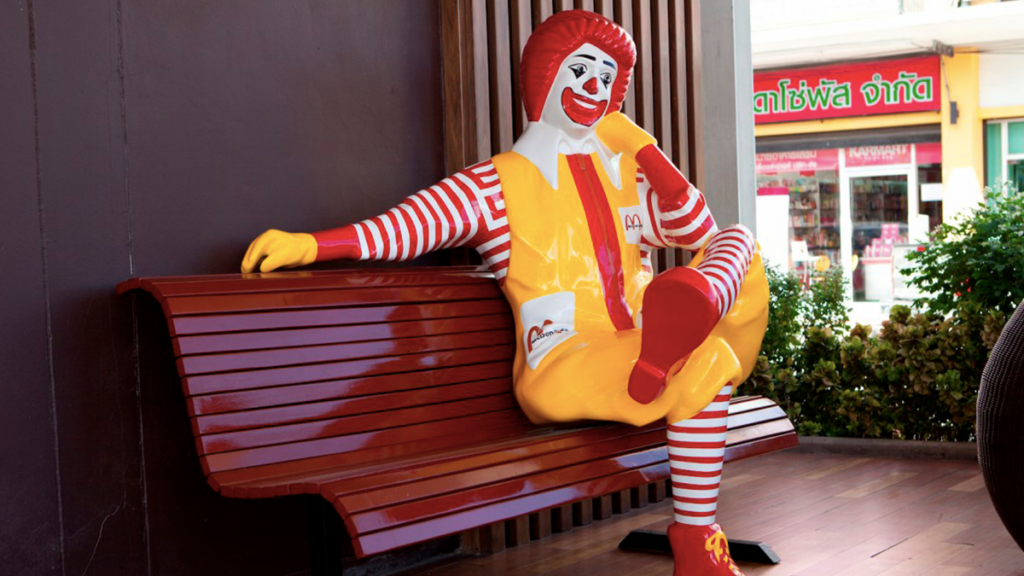
Ronald McDonald Around the World
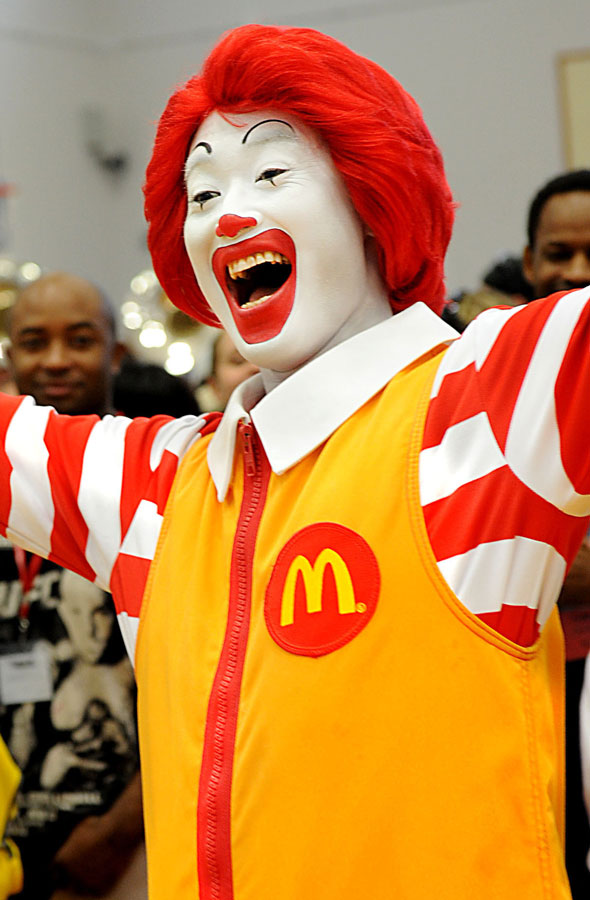
When McDonald’s went global, Ronald went with it. He turned up in Japan, Brazil, Australia, across Europe. Everywhere the brand expanded, so did the clown in the yellow suit.
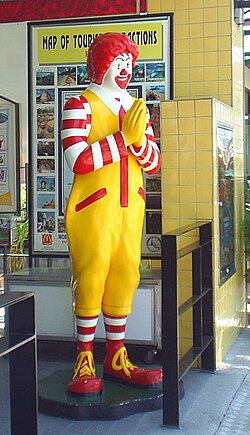
Japan made one practical adjustment. He became Donald McDonald there because the “R” sound doesn’t come naturally in Japanese pronunciation. A small change, but it pointed to something real about how carefully McDonald’s managed the character internationally. The visual stayed fixed while small local details adjusted around it.
At his peak, surveys were putting Ronald McDonald alongside Santa Claus as one of the most recognized fictional figures in the world. Which is a genuinely remarkable thing to say about a fast food mascot who debuted wearing kitchen equipment as a hat.
The charity part, which tends to get overlooked
Ronald McDonald House Charities was founded in 1974 and it’s probably the most meaningful thing the name is attached to, even if it doesn’t come up as often as it should.
The idea behind it is straightforward. When a child is seriously ill and needs hospital treatment somewhere far from home, the family suddenly faces two problems at once, the medical crisis and the practical one of where to stay, how to eat, how to keep some version of normal life going. Ronald McDonald Houses give families a place to stay nearby during treatment, with accommodation, meals, and support from staff who understand what they’re going through.There are hundreds of these houses operating around the world now.
Millions of families have spent nights in them. For a lot of those people, the name Ronald McDonald doesn’t call up a clown at all… it calls up a very specific, very difficult stretch of their lives when having somewhere to stay made a real difference.
The criticism, which was fair
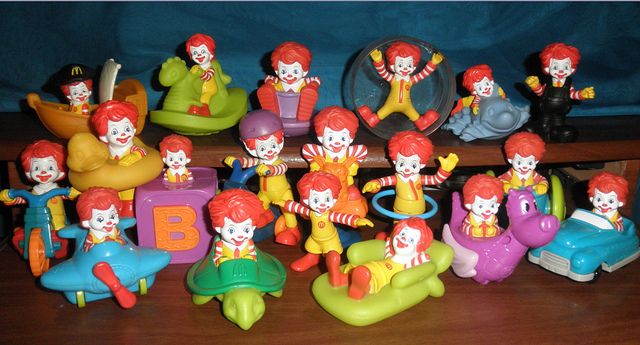
By the 1990s the pushback had been building for a while. Health advocates and researchers were making a consistent argument: using a beloved, child-specific character to market food that’s high in fat, salt, and sugar to kids who are especially susceptible to character-driven advertising is ethically hard to defend. Ronald, by design, made McDonald’s feel fun and safe and exciting to children. That was the whole point of him, and critics felt that was a problem.
McDonald’s response was gradual. Ronald’s presence in advertising shrank without the company ever making any formal announcement about retiring him. He just appeared less.
Then 2016 happened. A wave of creepy clown sightings spread across the United States, people in full clown costumes turning up near schools, in parking lots, at the edge of woods. It got significant media coverage and McDonald’s quietly announced that Ronald would be limiting his public appearances until things settled. That was probably the right call.
He never fully disappeared. But he never got back to where he was before either.
What he became beyond the advertising
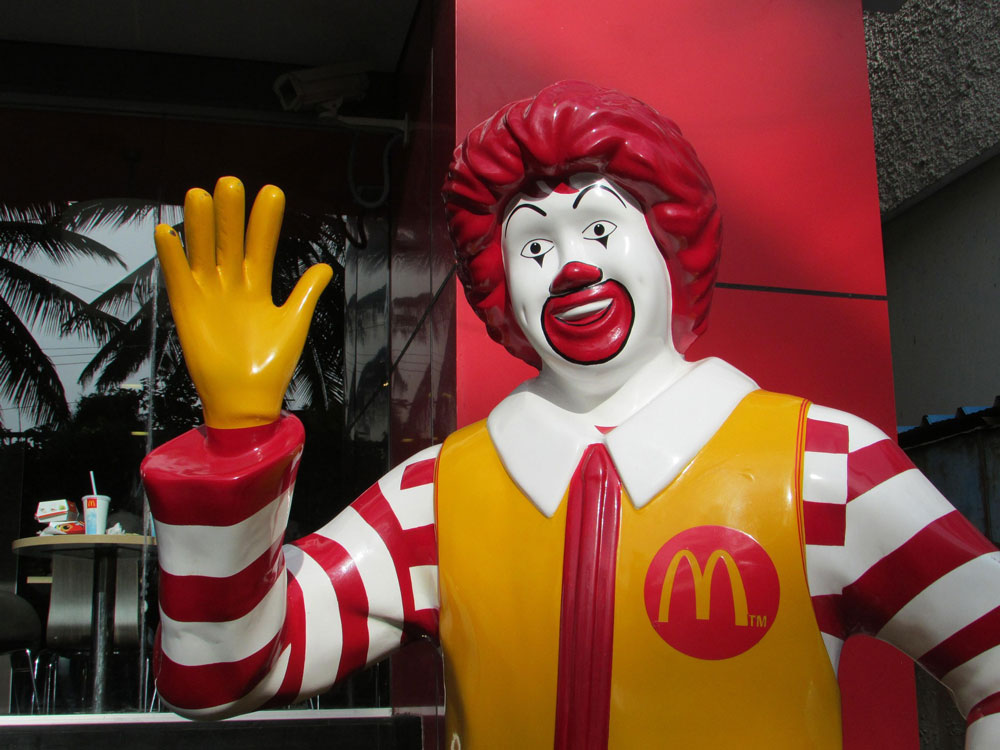
Artists and filmmakers have been borrowing Ronald McDonald as a symbol for decades. He turns up in satirical work, protest imagery, indie films, comedy sketches about consumerism and American cultural export.
He became a shorthand people reach for when they want to say something about corporations, or childhood, or the way brands get inside your head before you’re old enough to think critically about them.
For plenty of other people none of that framing applies. He just means being a kid, a plastic booth, a happy meal box with a toy inside. That kind of memory doesn’t respond much to criticism. It’s already finished forming by the time you’re old enough to have one.
Where things are now
McDonald’s today focuses on digital ordering, convenience, menu changes. Character-led campaigns are a different era of the brand.
Ronald still shows up occasionally, mostly connected to the charity work, sometimes at community events. Whether he’ll ever return to anything like his original prominence is genuinely unclear.
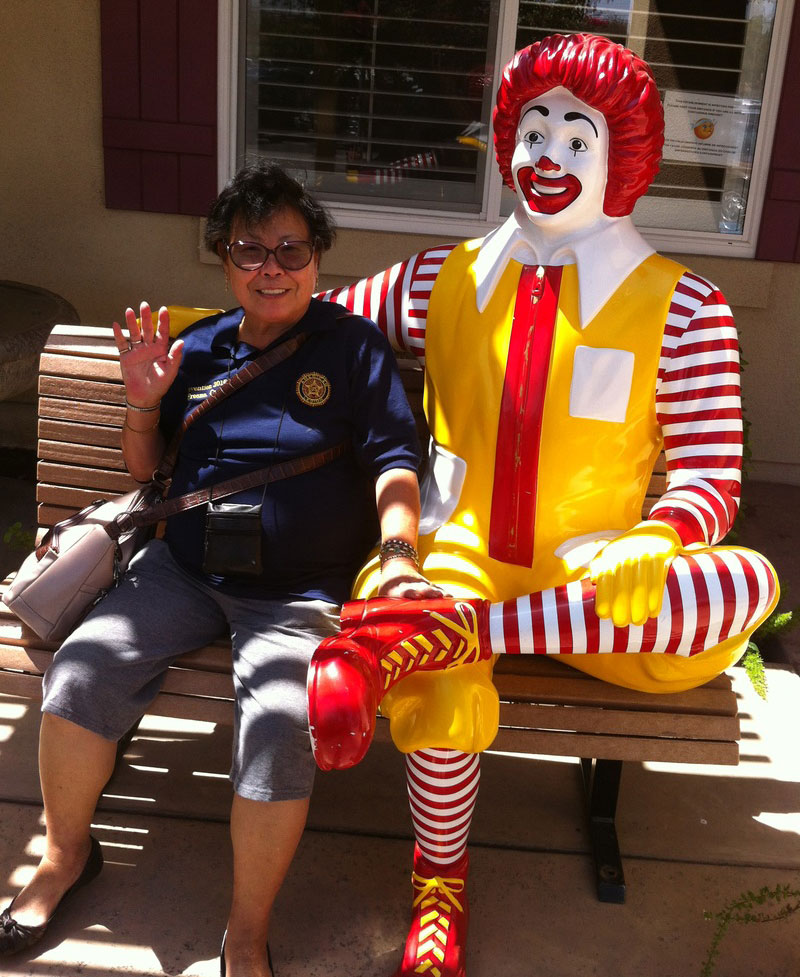
What’s certain is that he started as someone’s answer to the question of how to make a fast food restaurant feel friendly to children, and ended up embedded in the cultural memory of a significant portion of the planet.
Sixty years later, the red hair and yellow suit still register instantly almost anywhere in the world.
For a guy who used to wear a cup on his nose, that’s quite a run.