M&M’s Characters: How a Bag of Candy Ended Up With Its Own Cast
Most candy doesn’t have opinions
It sits in a bowl, gets eaten, and that’s the end of the relationship. M&M’s somehow became the exception.
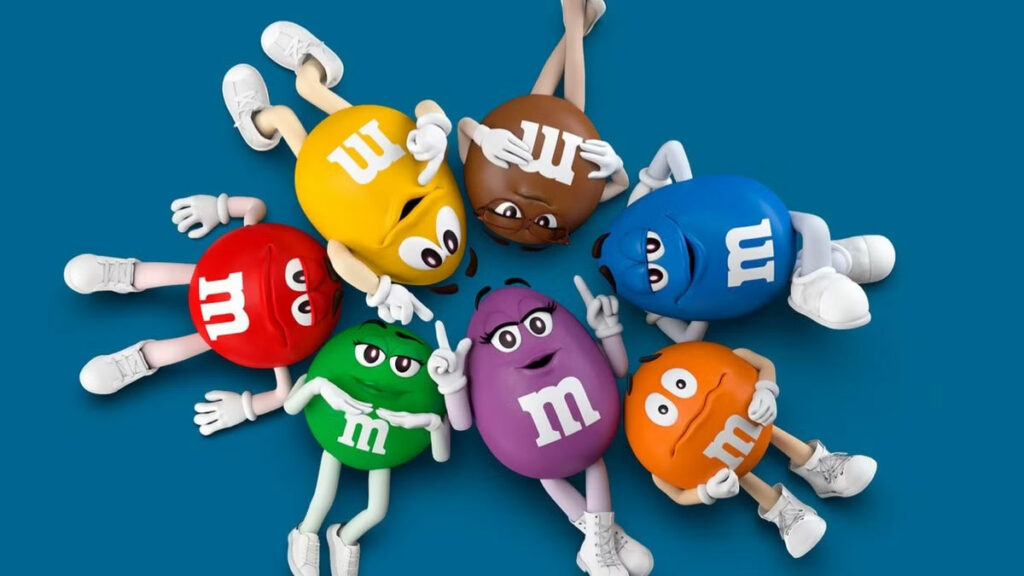
At some point in the mid-90s, the brand decided that what their chocolate really needed was a personality,and then six of them… and it turned out they were right.
Decades later, the characters are probably as recognizable as the candy itself. Maybe more.
The candy came first, obviously
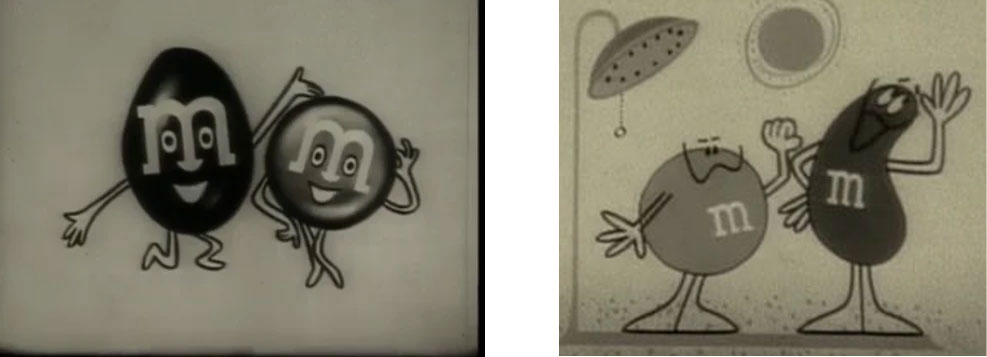
M&M’s have been around since 1941, invented by Forrest Mars Sr. with one genuinely useful idea: coat the chocolate in a hard candy shell so it doesn’t melt everywhere. That’s it. That’s the whole innovation. And it worked well enough that soldiers were eating them during World War II because you could carry them in a pocket without ending up with brown hands.
The slogan wrote itself. “Melts in your mouth, not in your hand.”
For about fifty years, that was enough. The candy sold fine. Nobody needed a cartoon to explain it.
Then the 90s happened and advertising started getting weird in interesting ways, and someone at the agency asked what would happen if the candies themselves could talk.
The personalities of the M&M’s characters were carefully crafted to reflect iconic types of people. The goal was to create relatable characters viewers could recognize in everyday life.
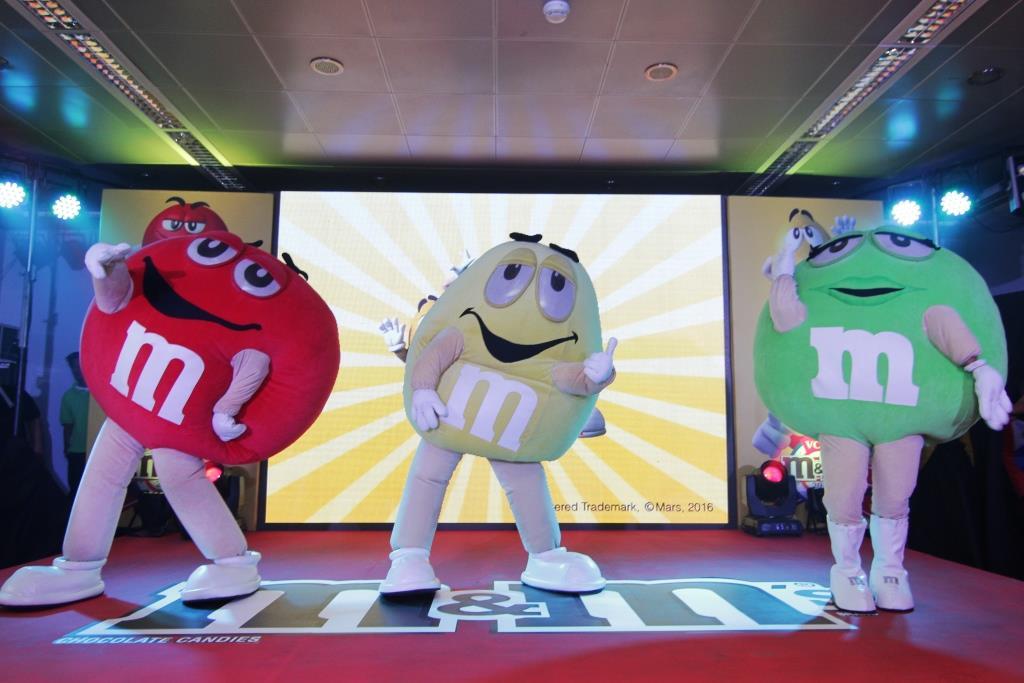
Red and Yellow showed up in 1995
The first two characters launched together, and whoever designed their dynamic got it right immediately.
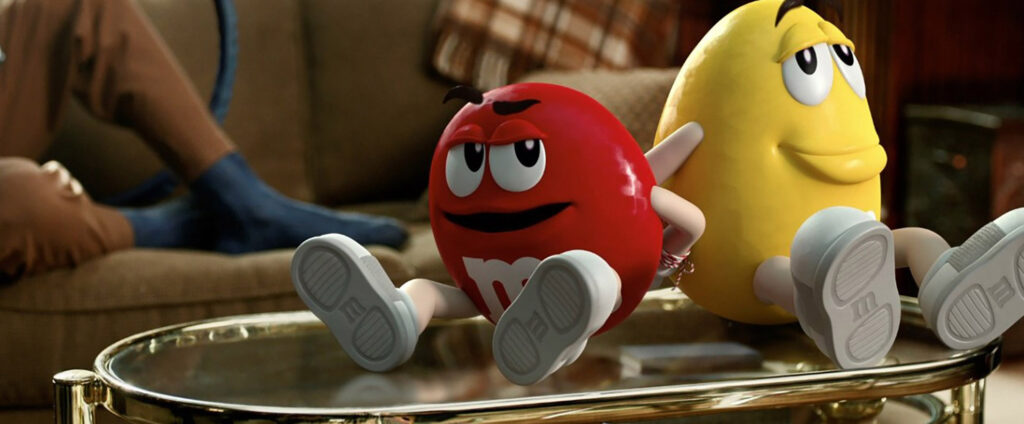
Red was sarcastic, a little arrogant, convinced he was the smartest thing in any room. Yellow was friendly, slow on the uptake, genuinely delighted by small things. Put them next to each other and you had something to work with.
Red would set something up. Yellow would miss the point entirely. Red would react with barely concealed frustration. Repeat. It’s a formula as old as comedy, but it landed because the characters felt consistent. You knew how each one would respond before they opened their mouths, which is what makes a good double act actually work.
The commercials stopped feeling like ads pretty quickly. They felt more like short sketches that happened to feature candy.
The rest of the group came later
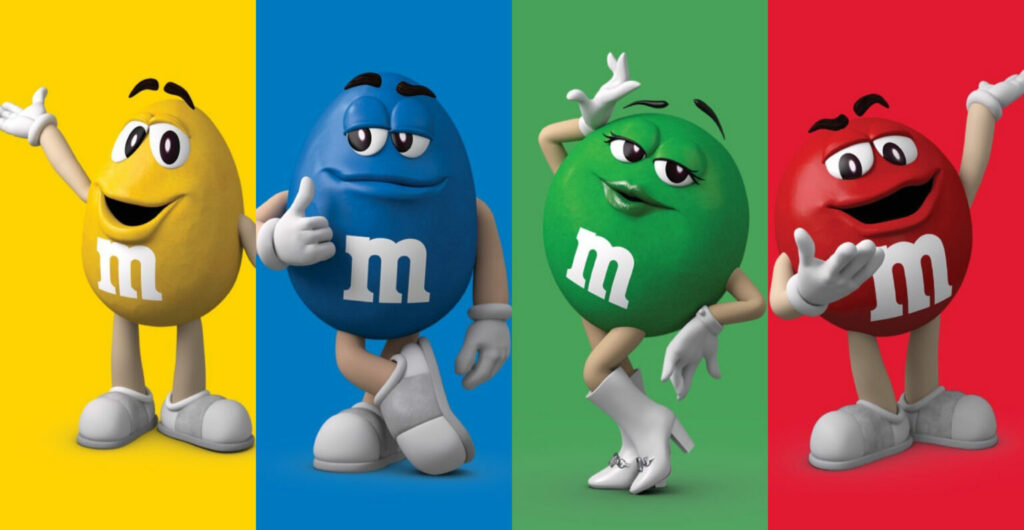
Blue arrived after a public vote in the mid-90s decided to add the color to the candy mix. His personality went in a completely different direction: calm, smooth, the kind of character who never seems rattled by anything. Where Red performs confidence and Yellow stumbles through situations, Blue just exists in a state of effortless cool. It balanced the group out.
Green came with a strong, independent personality that evolved over time from glamorous to genuinely funny. Orange went the opposite route entirely, perpetually anxious, terrified of being eaten, which is a reasonable fear when you are literally a piece of candy people buy specifically to eat. His panic in situations where everyone else stays calm became its own running joke.
Brown, one of the newer additions, plays it straight. Organized, dry, the one who watches the chaos and responds with something measured and slightly devastating.
Every group of chaotic personalities needs someone like that or the whole thing falls apart.
Yellow’s personality was inspired partly by peanut M&M’s themselves. Since peanut versions are slightly larger than regular candies, the character was designed to feel and act a bit softer and more easygoing.
Why it actually worked
The easy answer is that the characters are funny. But lots of advertising tries to be funny and doesn’t stick. What the M&M’s characters had was something slightly different.
They stayed consistent across decades of campaigns. Red is still sarcastic. Yellow is still cheerful and oblivious. Orange is still a nervous wreck. You could watch a commercial from 1997 and one from last year and the characters would feel like the same people.
That consistency is what lets different generations share them. Parents who grew up watching these ads in the 90s have kids who recognize the same characters now. That kind of continuity is hard to manufacture and impossible to rush.
The Super Bowl spots helped too. M&M’s became one of those brands where people actually paid attention to the commercial, which in a Super Bowl ad break is not something you can take for granted.
What they changed about candy marketing
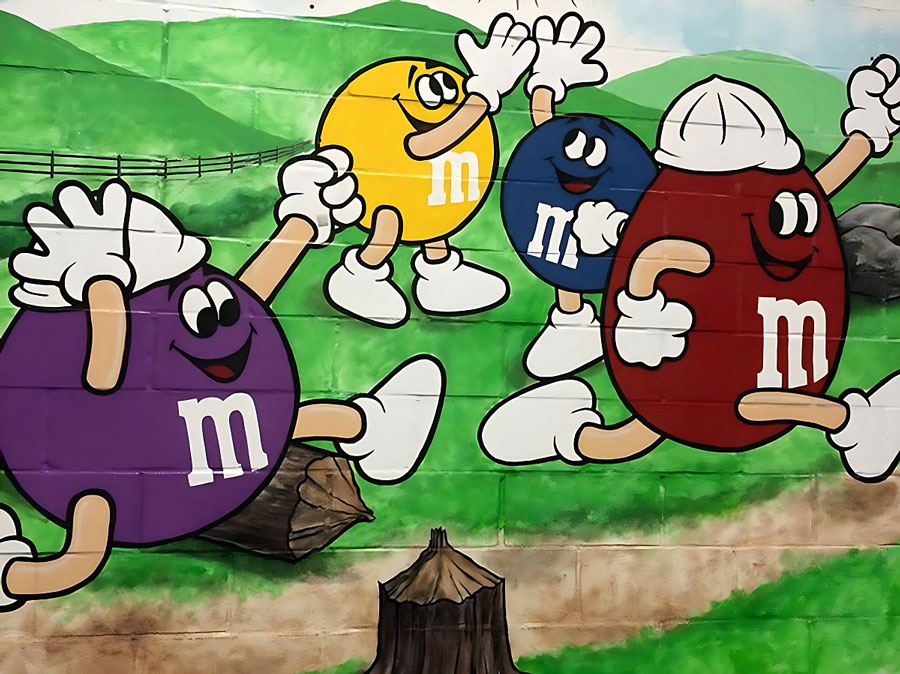
Before the characters, candy advertising was mostly about the candy. Close-up shots of chocolate, someone looking happy, maybe a jingle. M&M’s shifted the frame entirely.
The voices of the M&M’s characters are performed by professional actors, including well-known comedians and television performers.
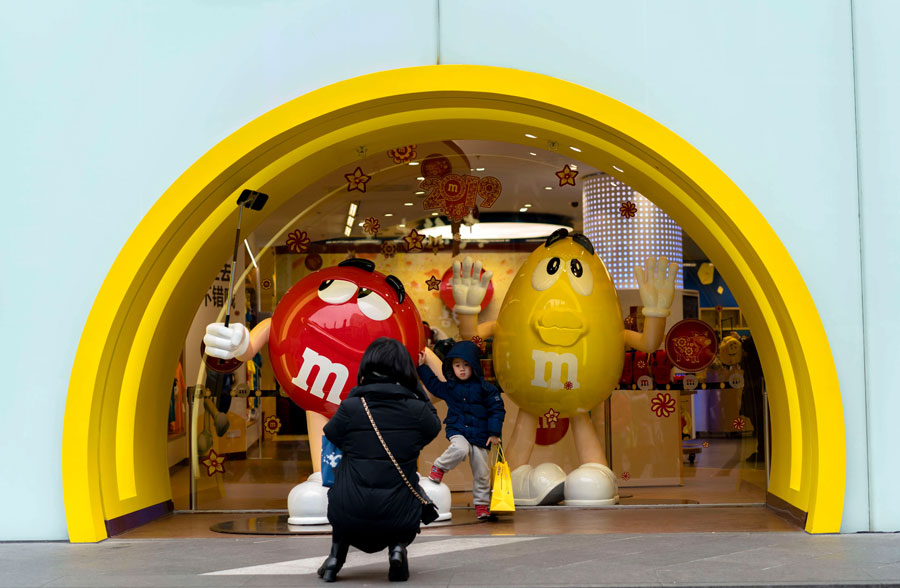
The product became almost secondary to the characters holding it… or in this case, being it.
That sounds like a risk. In practice it created something no amount of product photography could: characters people were genuinely interested in watching, regardless of whether they were hungry. You don’t have to want chocolate right now to find Red’s reaction to something funny. The entertainment and the product got linked in a way that’s been working for thirty years.
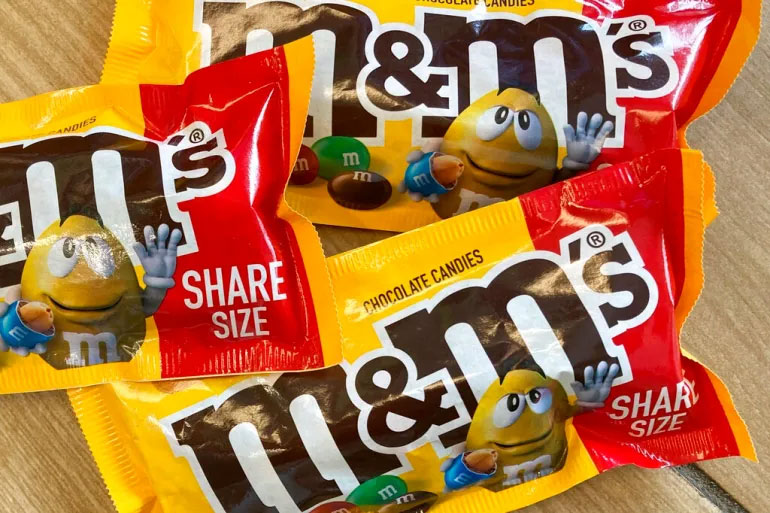
Small candy. Large personalities. Turns out that combination has legs.